Spinal Decompression .
Spinal decompression relieves pressure on spinal nerves or the spinal cord caused by conditions such as stenosis or disc herniation. Dr. Yasmeh performs decompression using minimally invasive techniques whenever appropriate, often without fusion.
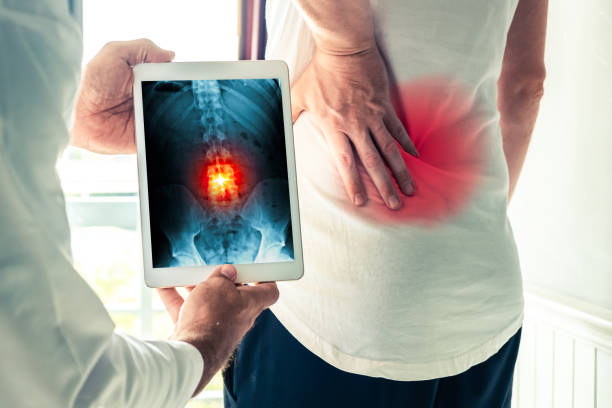
- What it is: Spinal decompression relieves pressure on spinal nerves or the spinal cord caused by conditions such as stenosis or disc herniation. Dr. Yasmeh performs decompression using minimally invasive techniques whenever appropriate, often without fusion.
- Key benefits: Relieves nerve-root and cord pressure; Improves walking tolerance in stenosis; Often does not require fusion.
- Typical candidates: Lumbar or cervical stenosis with neurological symptoms; Disc herniation pressing on a nerve.
- Recovery: Many decompression procedures are outpatient. Walking begins the day of surgery. Light activity within 1–2 weeks; return to most work and exercise within 4–6 weeks.
Benefits of spinal decompression
- Relieves nerve-root and cord pressure
- Improves walking tolerance in stenosis
- Often does not require fusion
- Can be performed minimally invasively
- Many patients return home the same day
Typical candidates
Dr. Yasmeh considers spinal decompression for patients with:
- Lumbar or cervical stenosis with neurological symptoms
- Disc herniation pressing on a nerve
- Foraminal narrowing
- Selected cases of failed back surgery syndrome
Every surgical decision starts with imaging review, a careful physical exam, and a candid conversation about goals — surgical and non-surgical options are always discussed together.
What recovery looks like
Many decompression procedures are outpatient. Walking begins the day of surgery. Light activity within 1–2 weeks; return to most work and exercise within 4–6 weeks.
About spinal decompression.
- Candidacy depends on your specific diagnosis, imaging, prior treatments, overall health, and goals. Dr. Yasmeh evaluates each patient individually and only recommends a procedure when it's a clear fit.
- Many decompression procedures are outpatient. Walking begins the day of surgery. Light activity within 1–2 weeks; return to most work and exercise within 4–6 weeks. Dr. Yasmeh and his team coordinate your post-operative therapy, follow-up imaging, and return-to-activity plan.
- Dr. Yasmeh consults at all four offices (East LA, Glendale, Santa Fe Springs, Tarzana) and performs surgery at affiliated hospitals and surgery centers. The surgical location is chosen based on procedure, your insurance, and convenience.
- Absolutely. Dr. Yasmeh welcomes second opinions and routinely reviews outside imaging and records before any surgical decision.
When Dr. Yasmeh recommends this procedure
Lumbar Stenosis
Read about this condition and when this procedure is the right answer.
Cervical Stenosis
Read about this condition and when this procedure is the right answer.
Lumbar Disc Herniation
Read about this condition and when this procedure is the right answer.
Foraminal Narrowing
Read about this condition and when this procedure is the right answer.
Find out if spinal decompression is right for you.
Same-week consultations. Four Greater LA offices. Most insurance accepted.