
Lumbar
Stenosis .

Lumbar stenosis occurs when the spinal canal or nerve passageways in the lower back narrow. This commonly causes lower back pain, numbness or tingling in the legs, leg weakness, and difficulty walking or standing for long periods. Symptoms often improve when sitting or bending forward.
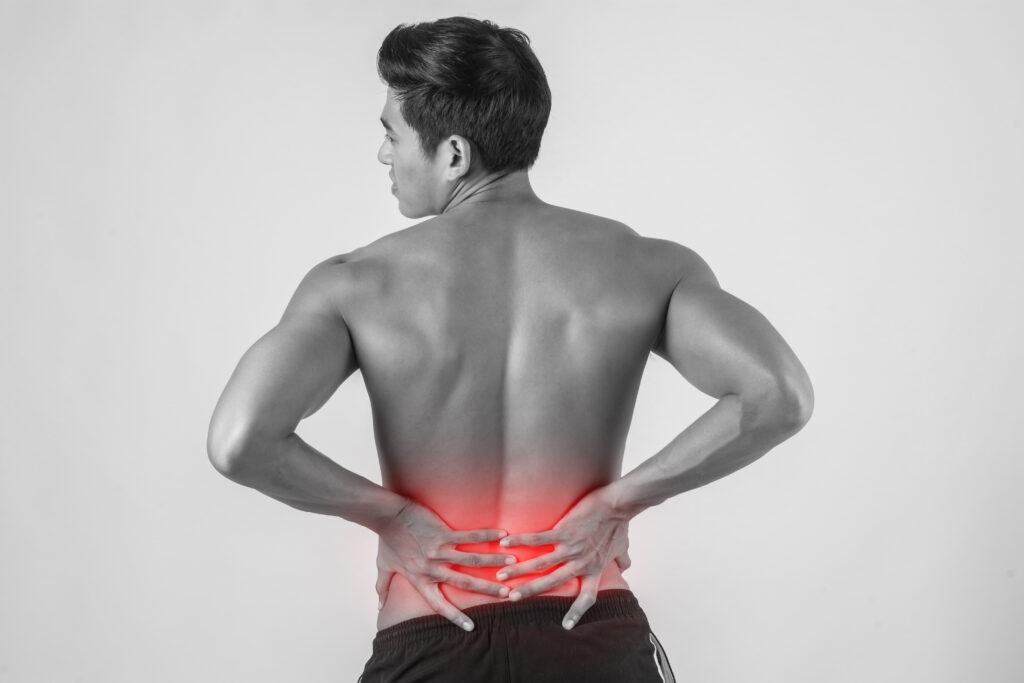
Lumbar Stenosis
Now Accepting · New Patients

Diagnosis first. Treatment second.

Lumbar (Low back) spine condition treated with conservative options first and motion-preserving surgery when needed.

4
LA offices
Region
Lumbar (Low back)
★★★★★
Welcomed
Lumbar Stenosis at a glance
  • What it is: Lumbar stenosis occurs when the spinal canal or nerve passageways in the lower back narrow. This commonly causes lower back pain, numbness or tingling in the legs, leg weakness, and difficulty walking or standing for long periods. Symptoms often improve when sitting or bending forward.
  • Common symptoms: Low back pain; Leg pain that worsens with standing or walking ("neurogenic claudication"); Numbness, tingling, or burning in the legs.
  • First-line treatment: Physical therapy — Flexion-based exercise, core strengthening, and walking programs are first-line treatment.
  • When surgery is considered: progressive symptoms, neurological changes, or pain unresponsive to conservative care.
Symptoms & causes

Understanding lumbar stenosis

Symptoms

Common symptoms

  • Low back pain
  • Leg pain that worsens with standing or walking ("neurogenic claudication")
  • Numbness, tingling, or burning in the legs
  • Symptoms improve with sitting or leaning forward
  • Leg weakness
Causes

Common causes

  • Age-related disc and joint wear
  • Bone spurs
  • Thickened ligaments
  • Spondylolisthesis (vertebra slipping)
  • Congenital narrow canal
How Dr. Yasmeh treats it

Treatment options

Dr. Yasmeh starts with the least-invasive option that fits your case and only escalates when clearly needed.

Conservative care
Step 1

Conservative care first

Most patients improve without surgery. Dr. Yasmeh sequences therapy, medication, and targeted injections before considering operative options.

  • Physical therapy — Flexion-based exercise, core strengthening, and walking programs are first-line treatment.
  • Epidural steroid injections — Reduce inflammation around compressed nerves and improve walking tolerance.
  • Medication — NSAIDs, neuropathic-pain medication, and selective short steroid courses.
Surgical care
When needed

When surgery is the right answer

When non-operative care has not worked or symptoms are progressive, Dr. Yasmeh offers motion-preserving techniques whenever clinically appropriate.

  • Lumbar laminectomy or microdecompression — When walking and quality of life are limited, Dr. Yasmeh performs targeted minimally invasive decompression.
  • Fusion (selected cases) — If there is instability, decompression is combined with fusion — but never as the default.
Common questions

About lumbar stenosis.

  • Most patients improve with conservative care — physical therapy, medication, and targeted injections. Dr. Yasmeh only recommends surgery when symptoms are progressive, when there is neurological compromise, or when conservative care has not resolved the problem.
  • Diagnosis combines a careful history, physical exam, and imaging (typically MRI). Dr. Yasmeh reviews your imaging with you in plain language so you understand what's happening.
  • Yes — Dr. Yasmeh offers second opinions, especially for patients told they need fusion. He evaluates motion-preserving alternatives like laminoplasty or artificial disc replacement when clinically appropriate.
  • Dr. Yasmeh sees patients at four offices across Greater Los Angeles: East LA (1700 E Cesar Chavez Ave), Glendale (1505 Wilson Terrace), Santa Fe Springs (12215 Telegraph Rd), and Tarzana (18840 Ventura Blvd).
Ready when you are

Get clarity on your lumbar stenosis today.

Same-week appointments. Four Greater LA offices. Most insurance accepted.

Call usBook online